Research and Insights
Highlight
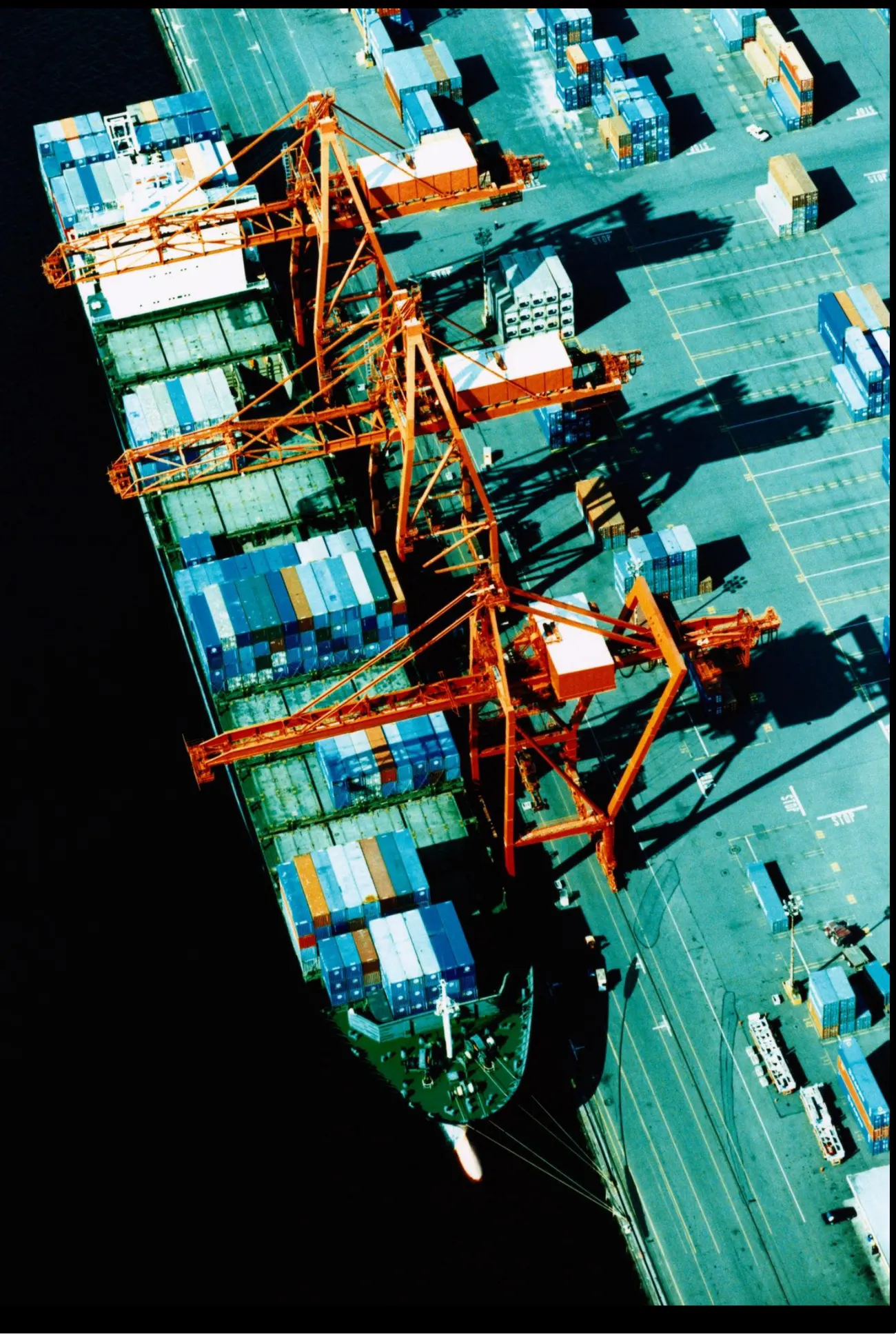
It's Time to Close the Supply Chain Protection Gap
Supply chain disruption costs the global economy an estimated $184 billion a year, yet most businesses are partially or entirely uninsured, and insurers carry accumulated exposure they cannot measure across their portfolios. We set out the four structural barriers that keep this risk from being priced, and how it can be quantified.
[ most recent ]

Hormuz Closure: Analysis Report
Our team traces the downstream effects of the Strait of Hormuz closure week-by-week across 80 countries. We go beyond aggregate predictions to show the dynamics of shock propagation: which countries and sectors will be affected and when.
Read paper ↗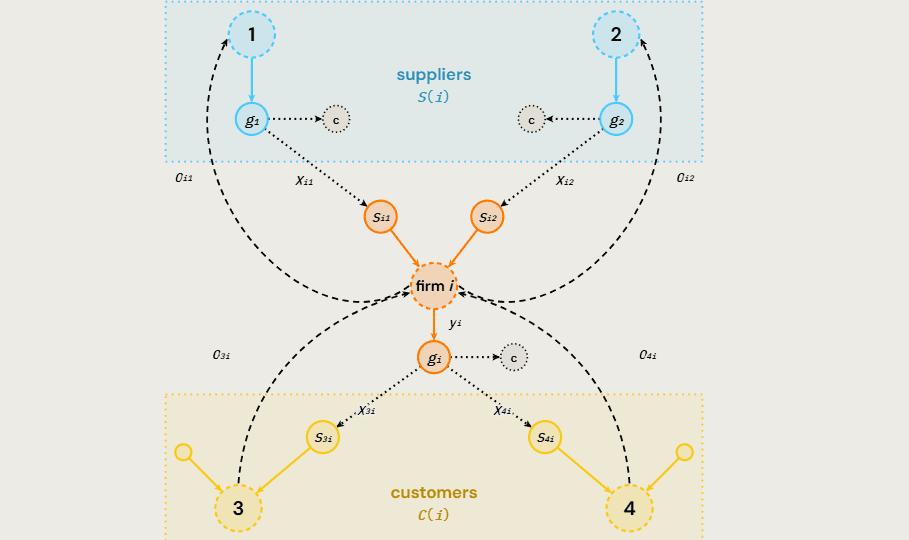
Resilient-to-Fragile Transition and Excess Volatility in Supply Chain Networks
We identify the critical point at which supply chains shift from resilient to fragile and demonstrate that supplier diversification can push that threshold back — translating our research into actionable insights about inventory.
Read paper ↗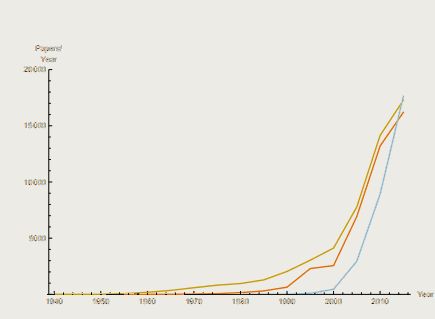
Agent-Based Modeling in Economics and Finance: Past, Present, and Future
Exploring the history of agent-based modeling, including predicting the 2008 housing bubble, our Chief Scientist Doyne Farmer shows how ABM is the future of economic forecasting.
Read paper ↗